As a parent, you may suddenly notice that your child has gone to the toilet several times in one day. The stool is loose, watery, and more frequent than usual. Naturally, certain questions begin to come to mind, like: Is this serious? Should I give medicine? Could my child become dehydrated?
Situations like this are common. Diarrhea is one of the most common illnesses in children, especially among younger age groups. While many cases are mild and get better in a few days, parents need to know what to do early to prevent complications such as dehydration.
Understanding the first steps to take and how to prevent diarrhea in the first place can help you, as a parent, protect your child’s health.
What Is Diarrhea In Children?
Diarrhea occurs when a child passes loose or watery stools more frequently than usual. Some children may also experience other symptoms such as:
- Vomiting
- Fever
- Stomach cramps
- Loss of appetite
Most times, diarrhea in children is caused by infections affecting the digestive system. These infections can spread through contaminated food, unclean water, poor handwashing habits, or touching dirty surfaces.
Diarrhea is common, but it should never be taken lightly because children, especially babies and toddlers, can become dehydrated quickly if fluids are not replaced.
Common Causes Of Diarrhea In Children
Understanding what causes diarrhea in your child will guide you to take practical steps to reduce the risk and protect your child’s health.
- Viral Infections
Viruses are the most common cause of diarrhea in children. Rotavirus and Norovirus are well-known examples that spread easily among young children.
- Bacterial Infections
Sometimes, children get diarrhea after eating or drinking contaminated food or water that contains harmful bacteria, such as E. coli, Salmonella, or Shigella.
- Poor Hygiene
Improper handwashing habits after using the toilet or before eating can allow germs to spread easily.
- Contaminated Feeding Bottles or Utensils
If a baby’s bottles, cups, or spoons are not cleaned properly, they can introduce germs into a child’s food.
- Food Intolerance
Some children may react to certain foods, particularly when new foods are introduced.
- Antibiotic Use
In some cases, antibiotics may disrupt the normal balance of beneficial gut bacteria, leading to diarrhea.
First Steps Parents Should Take When A Child Has Diarrhea
The first few hours after diarrhea begins are very important. Taking the right steps early can help prevent dehydration and support your child’s recovery.
- Start Oral Rehydration Solution (ORS) Immediately
The most important treatment for diarrhea in children is replacing lost fluids and salts. Oral Rehydration Solution (ORS) is made to help replace fluids and important body salts lost during diarrhea. The World Health Organization (WHO) recommends it as the first-line treatment.
ORS can be purchased at pharmacies or health centers, but if it is not available, you can make a simple homemade version at home.To prepare homemade ORS, mix 6 level teaspoons of sugar and half a level teaspoon of salt into 1 liter (about 4.25 cups) of clean water. Make sure to stir well until the sugar and salt are completely dissolved. Only use clean water and measure ingredients carefully to avoid making the solution too strong or too weak.
ORS should be given in small, frequent sips to your child, especially after each loose stool. Even if the child vomits, continue offering small amounts of ORS gradually.
- Continue Feeding Your Child
Many parents believe that when a child has diarrhea, it is best to stop feeding them. However, this is not recommended. Infants should continue breastfeeding, and older children can be offered light, nutritious foods, such as soft rice, pap (akamu), or other soft foods that are easy to digest. Continuing to feed your child helps maintain strength and supports recovery.
It may be a hassle trying to get your child to eat during this period, but it’s okay. Try to gently encourage them without forcing. Give them small, frequent meals instead of larger ones, as this may be easier for your child to manage. You can also try different food textures, such as mashed bananas, soft potatoes, or plantain porridge, to find what your child prefers during this time. When mealtime is calm, it often helps children accept some food, even if they eat less than usual.
- Watch Out For Signs Of Dehydration
Children can lose fluids quickly during diarrhea. Parents should watch out for warning signs such as:
- Dry mouth or tongue
- Sunken eyes
- Reduced urination
- Unusual tiredness or weakness
- Crying without tears
If you notice any of these signs, it is important to see a doctor quickly.
- Maintain Good Hygiene
Parents need to prevent the spread of infection at home. Here are simple ways to do this:
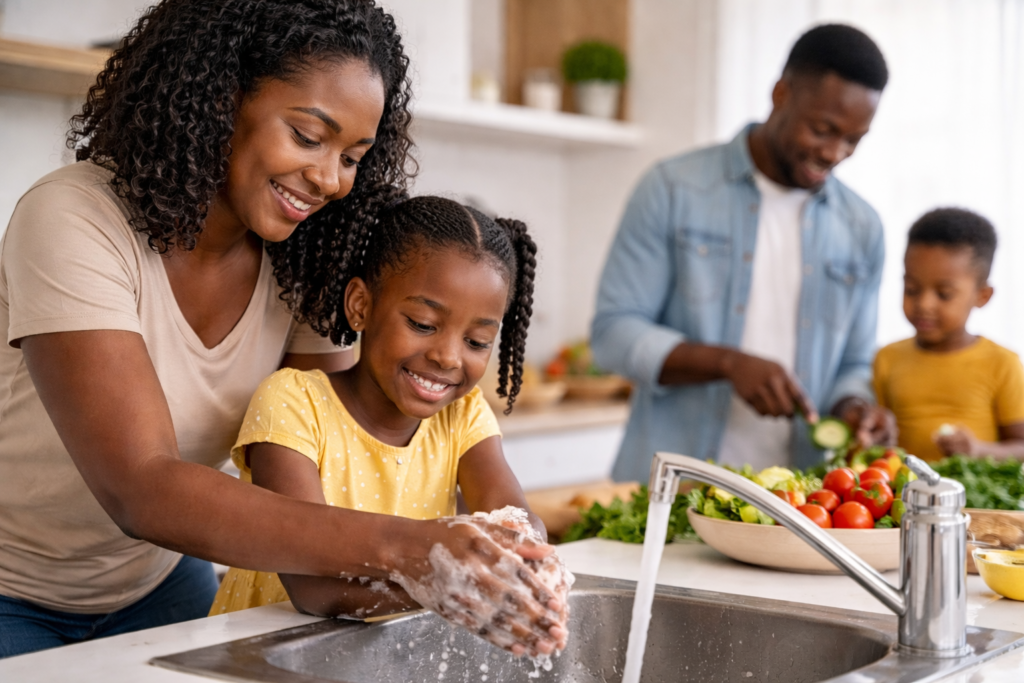
- Wash your hands thoroughly with soap after cleaning your child or changing diapers.
- Wash your hands before preparing meals.
- Clean up surfaces and toilets regularly.
- Dispose of stool safely.
These simple steps help protect other children and family members. If you are not sure of how to manage diarrhea at home, it is always safe to speak with a healthcare professional early rather than waiting for symptoms to worsen.
What Foods Are Safe For A Child With Diarrhea?
During diarrhea, children should continue eating mild, easy-to-digest foods. Some safe options include:
- Breast milk for infants
- Soft rice or pap
- Bananas
- Light soups
- Boiled potatoes
- Cooked cereals (such as oatmeal)
- Bread (toast)
You should avoid giving:
- Sugary drinks
- Carbonated beverages
- Very oily or spicy foods
- Diary products (such as milk, cheese, or ice cream)
- Fried foods
- Raw vegetables
These foods and drinks can make your child’s diarrhea worse or harder to control. Avoid giving them during recovery.
When Should Parents Take A Child To The Hospital?
Although many cases of diarrhea improve with home care and ORS, some situations require medical attention. You should take your child to the hospital immediately if:
- Your child shows signs of dehydration.
- There is blood in your child’s stool.
- Your child has persistent vomiting.
- Fever becomes persistently high.
- Diarrhea lasts longer than three days.
- Your child becomes unusually weak or lethargic.
- Your child is a very young infant.
Taking your child to the hospital early allows healthcare professionals to properly assess the cause of the diarrhea, provide appropriate treatment, and help prevent serious complications. If you are worried about your child’s symptoms, it is best to visit the hospital for proper testing and treatment.
How Can Parents Prevent Diarrhea In Children?
Many cases of diarrhea in children can be prevented by paying attention to simple everyday habits at home. These include:
- Handwashing
Children and caregivers should be encouraged to wash their hands frequently with soap and clean water, especially before eating and after using the toilet. Proper hand hygiene is one of the most effective ways to prevent diarrhea-causing infections.
- Safe Drinking Water
Ensure children drink clean and safe water. If the safety of the water source is uncertain, boiling or properly treating the water before drinking can help reduce the risk of infection.
- Proper Food Preparation
Thoroughly wash fruits and vegetables before eating, and ensure food is properly cooked. Proper food handling prevents the spread of germs that can cause diarrhea.
- Clean Feeding Bottles and Utensils
For infants and young children, bottles, cups, spoons, and feeding utensils should be properly washed and sterilized. It is best to sterilize feeding items before each use, especially for infants, to help ensure surfaces are not contaminated. When feeding utensils are poorly cleaned, they can easily introduce germs that cause diarrhea.
- Rotavirus Vaccination
Rotavirus vaccination is one of the most effective ways to prevent severe diarrhea in infants and young children. In Nigeria, the rotavirus vaccine is usually given beginning at six weeks of age, with additional doses at 10 weeks and 14 weeks during routine immunization visits.
Keep your child’s immunization card, which serves as a record of the vaccines your child has received and a reminder of upcoming doses. If you are not sure whether your child has received the rotavirus vaccine or when the next date is due, speak to your healthcare provider during your child’s routine immunization clinic.
- Safe Sanitation Practices
Proper waste disposal and maintaining a clean environment help reduce the spread of germs that cause diarrhea.
Common Mistakes Parents Should Avoid
Certain practices can make diarrhea worse or delay your child’s recovery. Therefore, it is important to avoid the following:
- Giving antidiarrheal or antibiotic medications without a doctor’s prescription.
- Stopping your child’s feeding completely
- Ignoring signs of dehydration
- Using unverified home remedies or herbal mixtures
If you are unsure about what to do, it is always best to consult your healthcare professional for proper guidance.
A Final Note For Parents
Diarrhea in children is common, but it should always be taken seriously. The most important steps to take when your child has diarrhea are: early fluid replacement, continued feeding, and careful monitoring for dehydration. Seeking early medical attention helps prevent complications and speed your child’s recovery.
If your child develops diarrhea and you are unsure what to do, our team of dedicated pediatricians and nurses at J-Rapha Hospital and Maternity is available to guide and support you in protecting your child’s health.
Visit the hospital or call us 24/7 for any emergency, or to schedule an appointment if symptoms persist or worsen, or if any warning signs appear. Your child’s health and safety remain our priority.